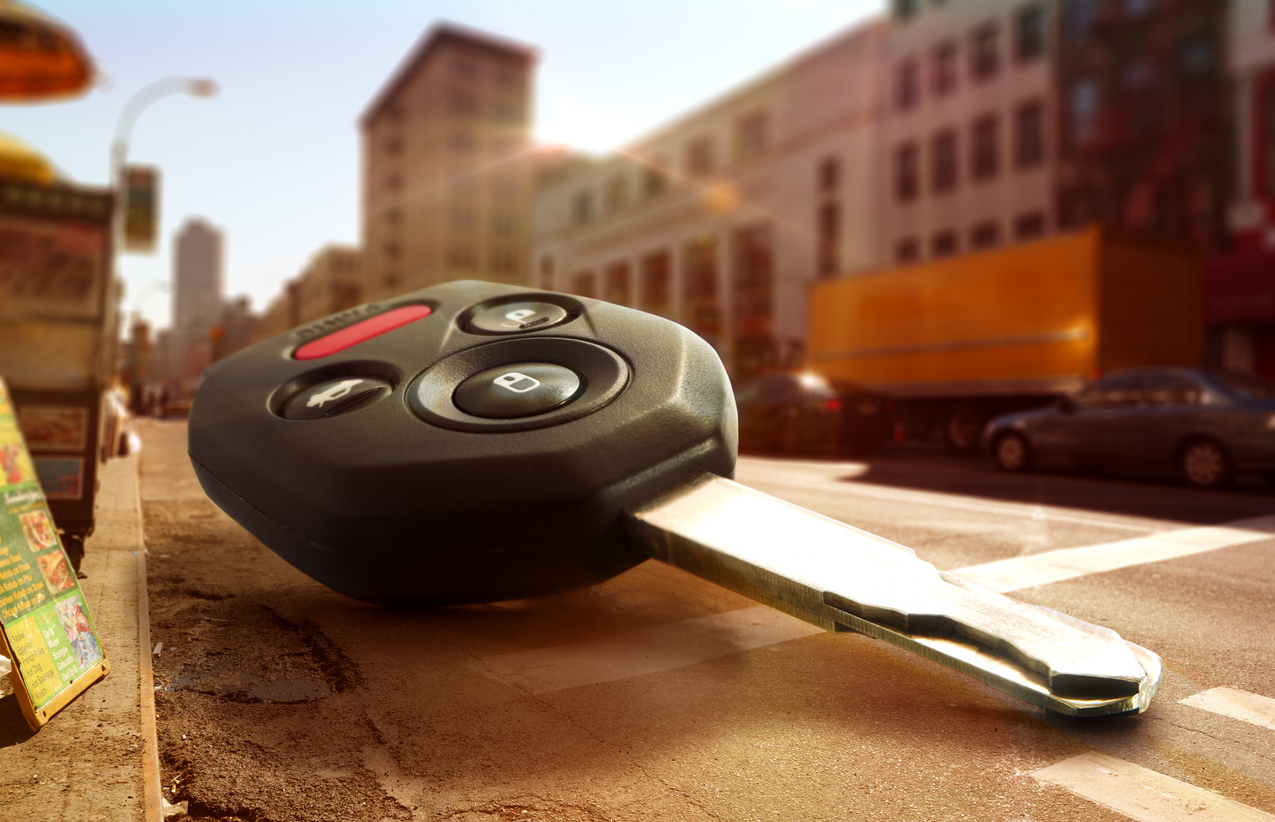
Lost Car Key With No Spare: Your Action Plan for a Stressful Situation
Few things ruin a day faster than realizing your only car key is gone. Whether it slipped out of your pocket in Honolulu, disappeared somewhere between errands in Kapolei, or was simply misplaced at home, the situation can quickly feel urgent. The good news is that a lost car key with no spare is usually fixable without towing your vehicle to the dealership.
Modern automotive locksmiths can often create, cut, program, and test a replacement key on-site. That means less downtime, fewer logistics, and a faster return to normal—especially when you work with a mobile specialist equipped for today’s transponder keys, remotes, and smart key systems.
Step 1: Stay Calm and Check the Basics
Before assuming the key is permanently lost, take a few minutes to rule out the obvious. Many keys turn up in bags, jacket pockets, gym lockers, office desks, or wedged between car seats. If the vehicle uses a push-to-start system, check whether the smart key may still be inside the cabin or trunk.
Start with a quick checklist:
- Retrace your most recent stops
- Check around the vehicle carefully
- Look in common drop zones at home or work
- Ask nearby businesses if a key was turned in
- If available, use a Bluetooth tracker app
If you still can’t find it, it’s time to move from searching to solving.
Step 2: Identify What Type of Key Your Vehicle Uses
Not all replacement keys are created equal. The process depends heavily on your vehicle’s year, make, model, and security system. A basic mechanical key is far simpler to replace than a laser-cut transponder key or proximity smart fob.
Common vehicle key types include:
- Traditional metal keys for older vehicles
- Transponder keys with a chip that must be programmed to start the engine
- Remote head keys that combine a key blade and lock/unlock buttons
- Flip keys with integrated remote features
- Smart keys and proximity fobs for push-to-start vehicles
If you know your VIN, vehicle trim, and approximate model year, keep that information ready. It helps speed up key generation and programming.
When there’s no spare, accurate identification of the key system is what turns a stressful lockout into a solvable service call.
Step 3: Decide Between a Locksmith and the Dealership
Many drivers assume the dealership is the only option after losing the last key. In reality, an experienced automotive locksmith can often handle the same job faster and more conveniently. A dealership may require towing, scheduling delays, and a longer wait for parts or key codes.
A qualified mobile locksmith can frequently:
- Come directly to your vehicle’s location
- Decode locks or retrieve key data
- Cut a new key on-site
- Program transponder chips and remotes
- Delete lost keys from the vehicle memory when supported
For drivers on Oahu, BestKeyService serves the island with local dispatch in every city and uses dealership-level equipment for many makes and models. When the situation calls for speed and technical accuracy, mobile service can be the better path.
Step 4: Be Ready to Prove Ownership
Any reputable automotive locksmith will verify that the vehicle belongs to you before making a new key. This protects you and helps prevent unauthorized access.
Be prepared to provide:
- A valid photo ID
- Vehicle registration or title
- The vehicle identification number (VIN)
- Your current location and vehicle details
If your documents are locked inside the car, let the locksmith know. In many cases, they can help access the vehicle first and complete verification appropriately.
Step 5: Understand What the Replacement Process Looks Like
Once the locksmith confirms the vehicle details, the actual work can begin. Depending on the system, the technician may cut a mechanical blade, program an immobilizer chip, sync remote buttons, or pair a proximity fob to the vehicle.
Typical steps may include:
- Confirming the exact key profile and vehicle security system
- Generating or decoding the correct key cut
- Cutting the key blade or preparing the smart key
- Programming the transponder or remote functions
- Testing lock, unlock, trunk, panic, and engine start functions
This is where experience matters. On newer vehicles, precision programming and proper diagnostic tools are essential to avoid wasted time and compatibility issues.
Step 6: Ask Whether the Lost Key Can Be Disabled
If you believe the key was stolen—not just misplaced—ask whether your vehicle allows the old key to be removed from memory. On many transponder and smart key systems, a locksmith can erase previously programmed keys and enroll the new one instead.
This can be an important security step, particularly if the key was lost in a public place or along with identifying documents. While capabilities vary by manufacturer, it is always worth asking about reprogramming options that reduce the chance of unauthorized use.
Step 7: Make a Spare Before This Happens Again
Once you’re back in the driver’s seat, don’t stop at a single replacement. The most cost-effective time to make a spare is right after the first new key is created. Duplicating an existing working key is usually easier and less expensive than originating one from scratch.
That spare can stay at home, with a trusted family member, or in another secure location. If you need help with backups, BestKeyService provides coverage for virtually all makes and models across Oahu, from Pearl City to Kailua, using certified experts and advanced programming tools.
The best way to handle a lost key emergency tomorrow is to make a spare today.
How to Avoid Common Mistakes
When stress is high, it’s easy to make the situation harder than it needs to be. Avoid these common missteps:
- Don’t force the ignition or door lock with the wrong key or improvised tools
- Don’t order a random online key without confirming compatibility
- Don’t assume every locksmith handles automotive programming
- Don’t skip proof of ownership requirements
- Don’t wait weeks to make a spare after replacement
A little caution can save you from additional repair costs, security risks, and avoidable delays.
When You Need Fast Help on Oahu
If you’re stranded with no working key, time matters. A specialized automotive locksmith can usually get you moving far more quickly than a dealership process that starts with a tow. For drivers on Oahu, mobile service is especially useful when the vehicle is parked at home, at work, in a shopping center, or along a busy daily route.
If you need replacement keys, key fob programming, or lost-key assistance, visit BestKeyService to learn more about mobile automotive locksmith support across the island.
Final Thoughts
Losing your last car key is stressful, but it does not have to become a disaster. The smartest response is to act methodically: search carefully, identify your key type, contact a qualified automotive locksmith, verify ownership, and replace the key with properly programmed equipment.
Most importantly, once the emergency is over, make that spare. It’s one of the simplest ways to protect your time, your budget, and your peace of mind.
